Introduction
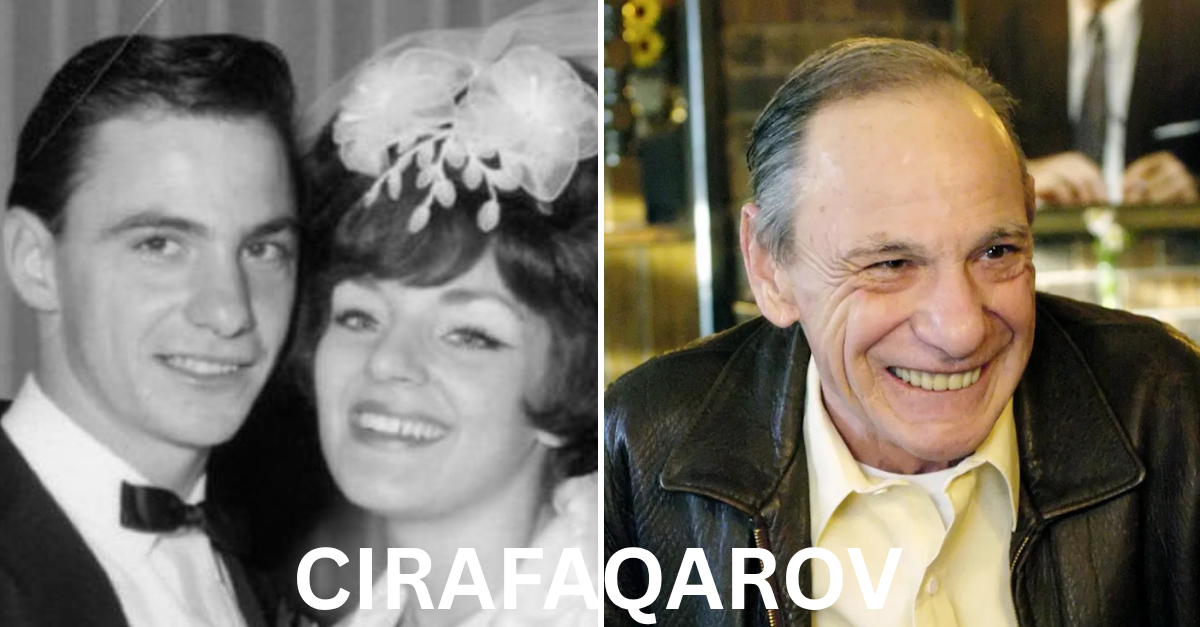
Henry Hill remains one of the most infamous figures in American organized crime history, largely because his real-life story later inspired the iconic film Goodfellas. Born into a working-class family in New York, Hill became deeply involved with the Mafia at a young age and eventually lived a life filled with crime, luxury, violence, and betrayal. His journey from a Brooklyn street kid to a mob associate—and later a government informant—continues to fascinate people even in 2026.
Henry Hill is best known for his association with the Lucchese crime family and his role in several major criminal operations during the 1960s and 1970s. His life story is not just about crime but also about survival, addiction, cooperation with law enforcement, and the consequences of living outside the law.
Early Life and Background
Henry Hill was born on June 11, 1943, in Brooklyn, New York. He grew up in a modest Irish-Italian household in a working-class neighborhood. From a young age, he was fascinated by the lifestyle of local mobsters who controlled much of the area’s underground economy. Unlike many children his age, Hill was not drawn toward traditional careers or education.
Instead, he spent most of his early teenage years hanging around local gangsters, admiring their money, confidence, and influence. This environment shaped his future path. By the time he was a teenager, Hill had already begun doing small jobs for members of the mob, marking the beginning of his long and dangerous criminal career.
Entry into Organized Crime
Henry Hill officially entered the world of organized crime in his mid-teens when he started working for members of the Lucchese crime family in New York. His first tasks were minor—parking cars, running errands, and delivering messages—but they quickly escalated as he proved himself reliable and loyal.
One of the key figures who influenced his early criminal life was James Burke, a powerful mob associate known for his violent enforcement style. Hill also worked closely with Paul Vario, a Lucchese caporegime who became his primary mentor within the organization. These connections gave Hill access to larger criminal operations and deeper involvement in organized crime.
As Hill grew older, he became fully embedded in the Mafia lifestyle, participating in illegal gambling, loan sharking, and eventually large-scale theft operations. His loyalty and willingness to follow orders helped him rise quickly within the criminal hierarchy.
Rise in the Lucchese Crime Family
During the 1960s and 1970s, Hill became a key associate of the Lucchese crime family. Although he was never a formally “made man” due to his partial Irish heritage, he was still deeply trusted within the organization. His role involved coordinating illegal activities and managing large sums of cash from various operations.
Hill’s lifestyle during this time was lavish and fast-paced. He lived well beyond his legal means, enjoying expensive clothes, luxury cars, fine dining, and nightlife. However, this wealth was entirely built on illegal activity, including extortion, robbery, and drug trafficking. His position within the crime family gave him both protection and constant danger, as betrayal or mistakes could result in severe consequences.
Major Crimes and Criminal Operations
One of the most infamous events associated with Hill was his involvement in the 1978 Lufthansa heist at JFK Airport. This robbery, considered one of the largest cash thefts in American history at the time, involved the theft of millions of dollars in cash and valuables.
Hill worked alongside several key mob figures, including James Burke, in planning and executing the operation. While the heist itself was successful, it eventually led to internal conflict, violence, and multiple murders within the criminal network as participants began eliminating others to avoid being caught or sharing profits.
Beyond the Lufthansa heist, Hill was involved in numerous other illegal activities, including drug trafficking, loan sharking, and illegal gambling operations. His role made him both valuable and vulnerable within the criminal organization.
Drug Addiction and Downfall
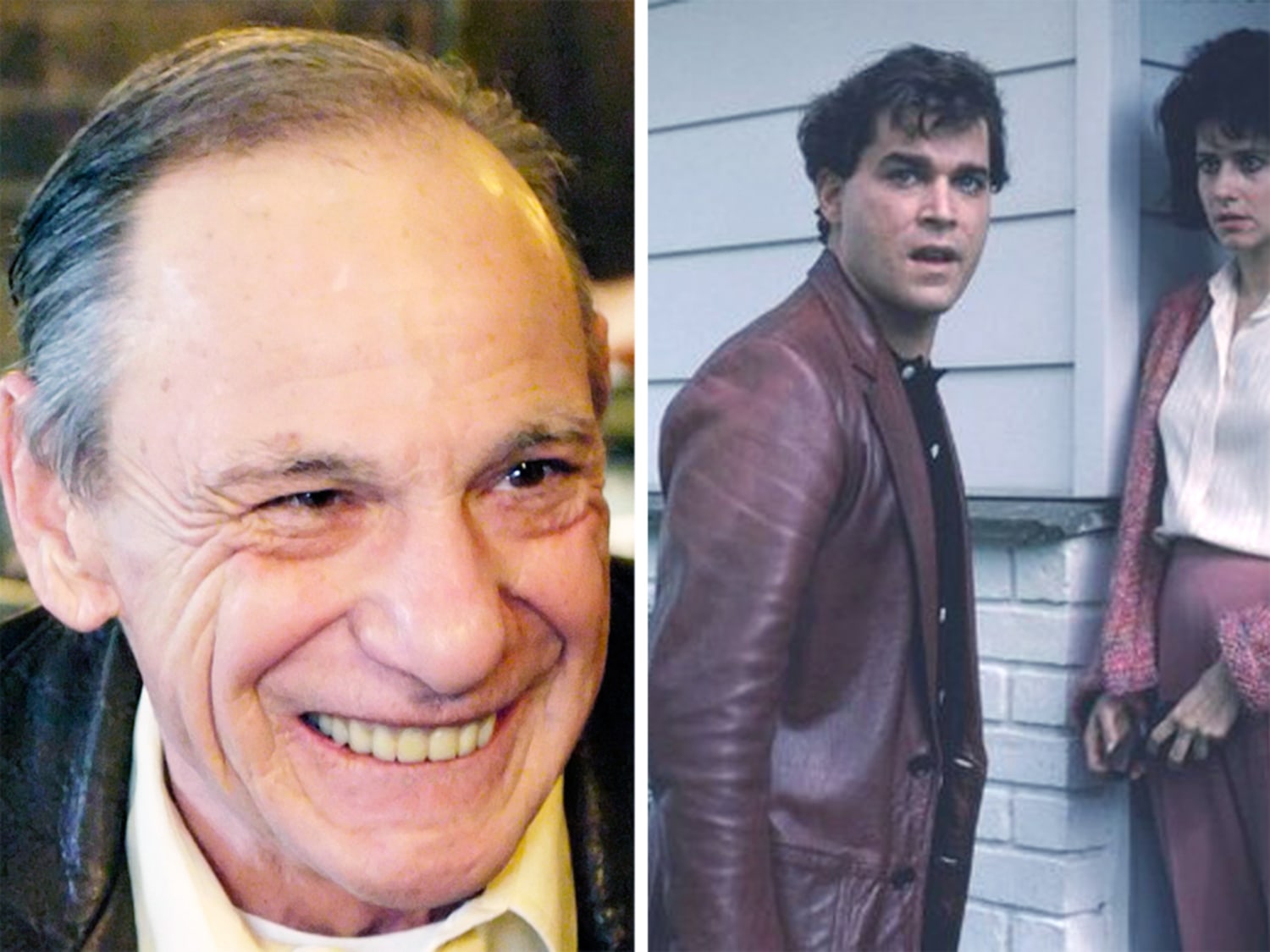
Despite his success in organized crime, Henry Hill life began to unravel due to a severe drug addiction. He became heavily addicted to cocaine, which affected his judgment and reliability. His addiction also put him at risk within the mob, as drug use was strongly discouraged and often punished.
His behavior became increasingly unpredictable, and he feared that he might be killed by his own associates for being unreliable or attracting law enforcement attention. This fear, combined with mounting pressure from authorities, ultimately led Hill to make a life-changing decision.
Turning Informant and Witness Protection
Facing arrest and possible execution from his former associates, Hill chose to cooperate with the FBI. He became a government informant in exchange for protection under the Witness Protection Program. This decision marked a complete break from his former life in organized crime.
As an informant, Hill provided detailed testimony about the inner workings of the Lucchese crime family and other Mafia operations. His cooperation led to multiple convictions of high-ranking mob figures. However, this also permanently labeled him a traitor within the criminal world, making it impossible for him to return to his old life.
Living under witness protection meant frequent relocations and a constant need to stay hidden from those who might seek revenge.
Life After the Mafia and Public Attention
After leaving the criminal world, Hill struggled to adapt to a normal life. He held various small jobs, including restaurant work and public speaking, often discussing his experiences in organized crime. His story gained massive public attention, especially after it was adapted into the 1990 film Goodfellas, directed by Martin Scorsese.
The film brought global fame to Hill’s life story and introduced him to a new audience fascinated by Mafia history. However, it also highlighted the violent and destructive consequences of his past actions. Despite his attempts to live quietly, Hill remained a controversial figure until his death in 2012.
Death and Legacy
Henry Hill died on June 12, 2012, in Los Angeles, California, at the age of 69. His death marked the end of a life filled with crime, betrayal, and reinvention. Over the years, his story has continued to be studied and retold as one of the most detailed insider accounts of American organized crime.
His legacy remains complex. On one hand, he is remembered as a key informant who helped bring down major Mafia figures. On the other, he is also seen as someone deeply involved in serious criminal activity for much of his life. His story continues to shape public understanding of how organized crime operates.
Shocking True Facts About Henry Hill
One of the most shocking facts about Hill is how deeply involved he was in organized crime from such a young age. By his early twenties, he was already participating in multimillion-dollar criminal operations. His access to powerful mob figures also meant he witnessed multiple violent crimes firsthand.
Another surprising aspect of his life is how quickly his world collapsed after years of luxury. Despite earning millions through illegal activities, addiction and fear ultimately pushed him to betray the very organization he once served. His transformation from mob insider to government informant remains one of the most dramatic reversals in Mafia history.
Perhaps the most fascinating truth is that much of Hill’s life story is considered one of the most authentic real-world depictions of Mafia operations, largely because of his detailed cooperation with law enforcement and later public interviews.
Conclusion
The life of Henry Hill is a powerful example of how crime, loyalty, addiction, and survival can intersect in unexpected ways. From his early days in Brooklyn to his rise within the Lucchese crime family and eventual role as an informant, his story reflects both the glamour and the dangers of organized crime.
Even in 2026, Henry Hill remains a widely discussed figure in criminal history and popular culture. His life continues to serve as both a cautionary tale and a real-life account of one of America’s most infamous Mafia insiders.
Also read: Jennifer Welch Net Worth