Bumpy Johnson’s Daughter
When you think of Harlem’s golden age of hustlers, one name stands above the rest: Bumpy Johnson’s Daughter. He was the criminal genius who outsmarted the Italian mob and ruled the streets with a code of silence. But behind every legend, there is a family left to pick up the pieces. The real story that movies and TV shows often ignore is the life of Bumpy Johnson’s daughter. While the world saw a gangster, his children saw a father. This article uncovers the hidden truth of how his daughters survived the shadow of organized crime and built their own identities far from the violence.
The Two Real Women Behind the Myth
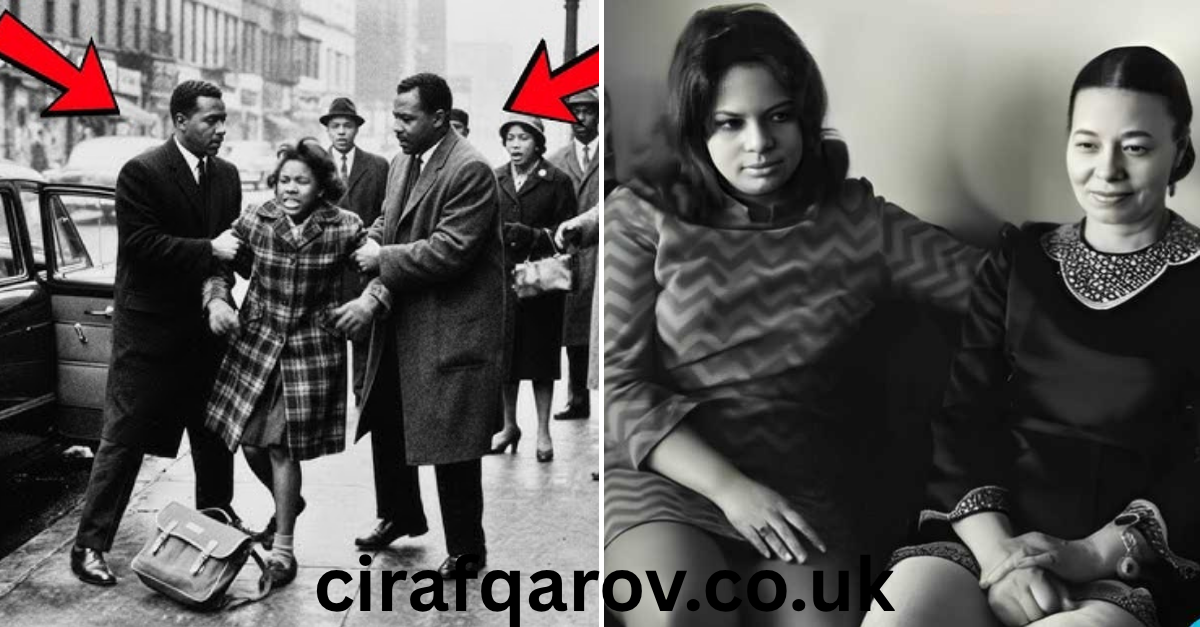
Contrary to the dramatic versions seen on screen, Bumpy Johnson had two biological daughters, not one. Their names were Elease Johnson and Ruthie Johnson. Elease was born from a relationship before his marriage to Mayme Hatcher, while Ruthie was the child of his long-time wife. Understanding this split is essential because Bumpy Johnson’s daughter was never a single character. Each woman experienced her father’s legacy differently. One struggled publicly with the weight of the name, while the other chose a life of complete privacy. Together, they represent the two sides of growing up as the child of a crime lord.
Growing Up Inside a Gold-Plated Cage
Life for Bumpy Johnson’s daughter was a contradiction. On one hand, they lived in luxury. Bumpy ensured they had private cars, fine clothes, and the best education Harlem could offer. He was known as “The Professor” because he loved poetry and demanded manners. On the other hand, they knew exactly how their father made his money. They saw the armed bodyguards at the door and the hushed midnight meetings. This created a strange childhood where Bumpy Johnson’s daughter learned to keep secrets before she learned to read. The threat of violence was always a whisper away, even during family dinners.
Elease Johnson: The Tragedy of a Burdened Soul
The sad truth is that not every child of a legend escapes the darkness. Elease Johnson, the firstborn of Bumpy Johnson’s daughter, carried the heaviest burden. Because of her father’s reputation, she found doors slammed in her face. Schools rejected her. Society labeled her before she could speak. This rejection pushed Elease toward substance abuse as a way to numb the pain. She reportedly struggled with addiction for years, a tragic fall from the grace her father tried to build. Her story proves that Bumpy Johnson’s daughter was not immune to the street’s poison. Elease passed away in 2006, a quiet victim of a loud legacy.
Ruthie Johnson: The Keeper of the Silent Legacy
While one sister struggled publicly, the other vanished. Ruthie Johnson, the daughter of Bumpy and Mayme, chose a radically different path. She rejected the fame, the money, and the danger entirely. After Bumpy died of a heart attack in 1968, Ruthie stepped away from Harlem and never looked back. Unlike fictional portrayals where Bumpy Johnson’s daughter becomes a queenpin, Ruthie became a ghost. She lived a normal, quiet life, working regular jobs and staying far from the media. Her choice was an act of survival. By refusing to engage with the crime world, Ruthie ensured that Bumpy Johnson’s daughter would be remembered for dignity, not drama. She also passed away in 2006.
Mayme Hatcher Johnson: The Mother Who Told the Truth
We cannot discuss Bumpy Johnson’s daughter without honoring the woman who raised them: Mayme Hatcher Johnson. Mayme was Bumpy’s wife and the author of the essential biography Harlem Godfather. For decades, she protected Ruthie and Elease from the worst of the street life. After Bumpy’s death, she waited years before writing her book, ensuring that the world saw the man behind the myth. Mayme taught Bumpy Johnson’s daughter that survival meant silence and strength. Her words remain the most factual source we have about the family. She died in 2009, but her role as the family’s historian means Bumpy Johnson’s daughter will never be forgotten.
The Granddaughter Who Fired Back: Margaret Johnson
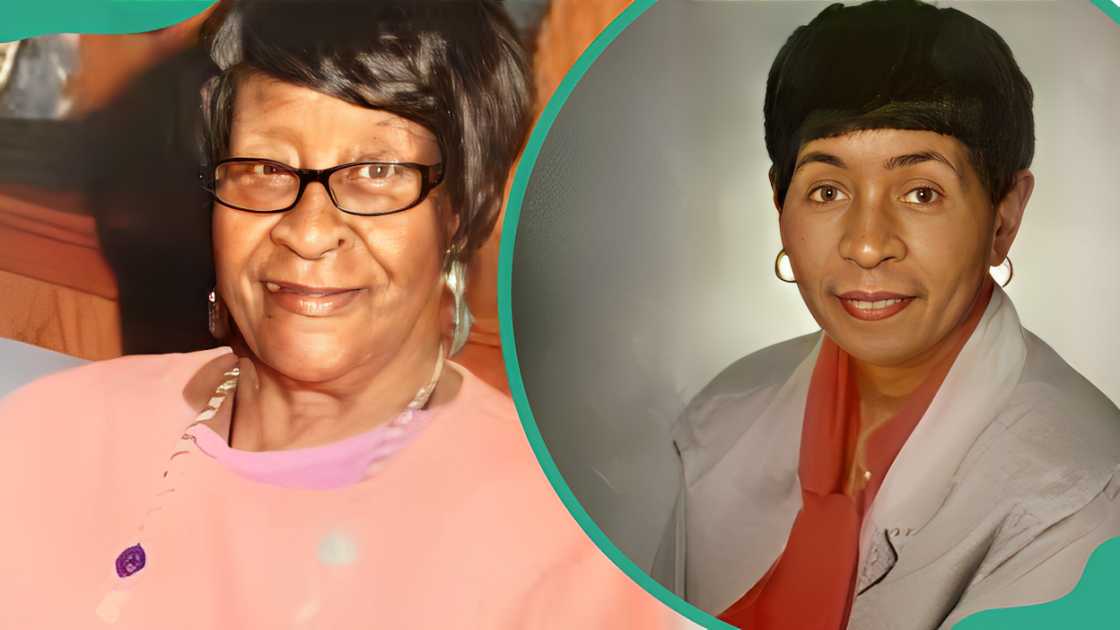
The legacy of Bumpy Johnson’s daughter took a shocking turn in the third generation. Margaret Johnson was the granddaughter, raised by Bumpy and Mayme because Elease struggled with addiction. And Margaret inherited her grandfather’s nerve. In 2006, at 66 years old and confined to a wheelchair, a mugger tried to steal her gold chain on a Harlem street. Most people would freeze. Margaret pulled out a licensed .357 Magnum and shot the thief in the elbow. The press dubbed her “The Annie Oakley of Harlem.” Here was Bumpy Johnson’s daughter in spirit—not a criminal, but a survivor willing to fight. She showed that the family blood still ran hot, even without the gangster lifestyle.
How Hollywood Got the Story Wrong
Television shows like Godfather of Harlem have created a fictional character named Elise Johnson, who is a blend of Elease and Ruthie. The show adds dramatic romances and criminal adventures that never happened. The real Bumpy Johnson’s daughter never ran a drug empire or had affairs with famous civil rights leaders. Those stories sell tickets, but they distort the truth. In reality, Bumpy Johnson’s daughter wanted what every child wants: safety, love, and a name that didn’t attract police attention. By separating Hollywood fiction from historical fact, we can finally respect the real women who lived through the chaos.
Carrying the Name Without the Crime
The most remarkable aspect of Bumpy Johnson’s daughter is how they refused to continue the criminal legacy. In the mafia world, sons often inherit the business. But Bumpy’s daughters did the opposite. They became bus drivers, homemakers, and private citizens. They did not run numbers, sell drugs, or order hits. This was a conscious break. Bumpy always told his children that he wanted them to be legitimate. By staying out of jail and out of the headlines, Bumpy Johnson’s daughter fulfilled his deepest wish. They carried his name, not his crimes. That is a victory that few crime families can claim.
The Psychological Weight of a Notorious Father
What does it do to a young girl to know her father is the most feared man in Harlem? For Bumpy Johnson’s daughter, it meant constant hypervigilance. They could not trust new friends, because those friends might be informants. They could not date freely, because suitors might want access to Bumpy’s power. This psychological weight led to anxiety, depression, and in Elease’s case, addiction. Yet Ruthie managed to rise above it through sheer willpower and distance. The story of Bumpy Johnson’s daughter is a case study in how trauma passes through generations. Their struggles were real, even if the money was easy.
Why Their Story Matters Today
In 2026, as true crime dominates podcasts and streaming services, we often forget the families left behind. The story of Bumpy Johnson’s daughter matters because it humanizes the legend. Bumpy Johnson was not just a crime boss; he was a father who cried when his daughters succeeded in school. By telling this untold truth, we shift the focus from glamorizing violence to understanding its domestic cost. Bumpy Johnson’s daughter teaches us that no amount of money can protect a child from the emotional fallout of a criminal life. Their resilience is a lesson for anyone growing up in difficult circumstances.
The Final Legacy of Silence and Strength
The untold truth ends with a simple realization: Bumpy Johnson’s daughter did not need to become gangsters to be strong. Elease’s tragedy does not erase her humanity. Ruthie’s silence is not weakness but wisdom. And Margaret’s courtroom courage proves the fire never died. Together, these women moved the Johnson legacy beyond the crime world and into the realm of quiet American history. They did not carry their father’s empire; they carried his humanity. And that is a far more valuable inheritance than any street corner or casino.
Conclusion: A Name Redeemed
Bumpy Johnson died in 1968, sitting in a Harlem restaurant, felled by a heart attack, not a bullet. He left behind daughters who had to navigate a world that feared and hated their last name. Today, the real story of Bumpy Johnson’s daughter is finally being told without the Hollywood filter. They were not queens of the underworld. They were survivors. They carried his legacy by refusing to repeat his mistakes. In doing so, they transformed the Johnson name from a symbol of crime into a symbol of endurance. That is the untold truth, and it is more powerful than any movie script.
Also read: Margot Rooker
About the Author